NOPAL
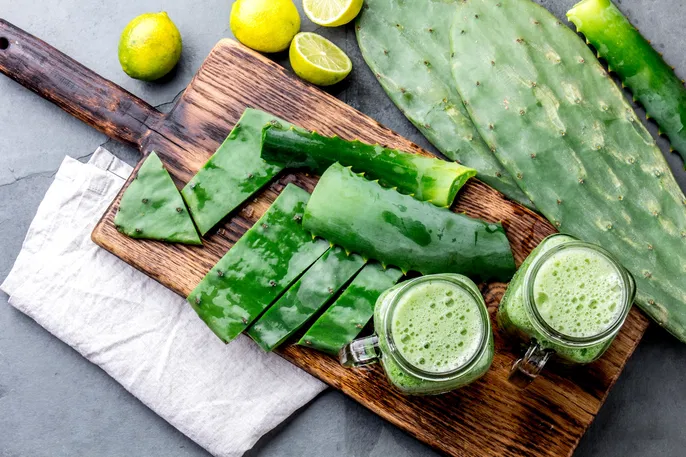
The Nutritious Cactus Revolutionizing Sustainability, Nutrition, and Global Gastronomy
Have you heard of nopal (Opuntia ficus-indica)? Far beyond being just a national symbol of Mexico, this cactus is gaining ground in innovative agricultural projects, functional nutrition, traditional recipes, sustainable industry, and scientific research worldwide. Discover below why nopal is seen as a plant of the future in biodiversity, nutrition, sustainability, and culinary creativity!
What is Nopal?
Nopal belongs to the genus Opuntia, from the Cactaceae family, and includes more than 1,600 cataloged species[1]. Native to the semi-arid regions of Mexico, it has spread not just throughout the Americas but also to the Mediterranean, Africa, and Asia, recognized for its ability to thrive in arid soils and under challenging climate conditions[3]. This cactus is valued in human food, animal forage, and for its industrial and ecological versatility[2][3].
Morphology, Ecology, and Adaptation
The plant features succulent cladodes (pads)—modified leaves that store water and nutrients and handle photosynthesis. It produces showy flowers and fruits known as “tunas,” famous for their vibrant color and rich flavor. Its superficial and efficient roots guarantee adaptation to poor soils and fast water uptake, contributing to environmental regeneration in degraded areas[2][3]. Nopal is also used for erosion control and soil stabilization.
Complete Nutritional Composition
| Component | Young Cladode (40 days) | Mature Cladode (125 days) | Fruit (Pulp) | Seed |
|---|---|---|---|---|
| Water (%) | ~91 | ~88 | 84–87 | ~7 |
| Protein (% DM) | 1.2–1.5 | 0.7–1.0 | 0.3–1.0 | 5–11 |
| Lipids (% DM) | 0.1 | 0.2 | 0.12–0.21 | ~5–7 |
| Soluble Fiber (%) | 1.5–2.0 | ~1.0 | – | – |
| Insoluble Fiber (%) | ~1.0 | ~2.0 | – | – |
| Calcium (mg/100g) | 14–18 | 34–55 | ~28 | ~16 |
| Magnesium (mg/100g) | ~9 | ~12 | ~28 | ~75 |
| Potassium (mg/100g) | ~25 | ~50 | 161–217 | 163 |
| Sodium (mg/100g) | 0.3–0.4 | 0.3–0.4 | 0.6–1.2 | 67.6 |
| Iron (mg/100g) | 0.09 | 0.15 | 1.5–4.5 | 9.45 |
| Phosphorus (mg/100g) | 1.1–2.6 | 0.7–2.6 | 12.8–27.6 | 152 |
| Vitamin C (mg/100g) | ~14 | ~10 | ~10 | – |
| Energy (kcal/100g) | 31–50 | – | 31–50 | – |
| Betalains, Polyphenols, Flavonoids | Present | Present | Present | – |
Professional Cultivation Protocols
Nopal is considered one of the most resilient crops in modern agriculture—even in arid soils! Here’s a step-by-step guide to get started:
- Propagation: Use healthy cladodes aged 6–12 months. Allow them to scar (heal) in the shade for 7–10 days before planting.
- Soil: Prefer light, sandy, well-drained soils with a pH of 6–7, enriched with organic matter if possible.
- Planting: Bury the segment about 4–6 inches (10–15 cm) vertically, maintaining a spacing of 5–6.5 ft (1.5–2 m) between plants and 8–10 ft (2.5–3 m) between rows in commercial fields.
- Irrigation: Nopal tolerates drought; irrigate only for rooting and during prolonged dry periods—always avoid waterlogged soil.
- Pest Management: Watch for cochineal scale insects, prioritizing biological control.
- Harvest: Nopalitos (young pads) are harvested 40–60 days after sprouting; mature fruits in summer or fall.
Traditional Regional Recipes
Mexican Nopalitos Salad
- Ingredients: 2 cups sliced nopalitos, 1 diced tomato, ¼ red onion, fresh cilantro, juice of 1 lime, olive oil, salt, pepper.
- Preparation: Cook nopalitos in salted water for 10 minutes, drain, and rinse. Mix everything together, season, and serve fresh.
Grilled Nopal
- Ingredients: Cleaned cladodes, olive oil, salt, pepper, lime.
- Preparation: Brush the pads with oil and seasoning. Grill both sides briefly and serve with lime.
Nopal Tacos or Omelet
- Use grilled nopalitos as a filling for Mexican tacos or as an ingredient in omelets with tomato and fresh cheese.
Sustainability and Industrial Versatility
Nopal has become a star on several fronts:
- Animal Feed: An excellent forage source for livestock.
- Cosmetics and Bioplastics: Its mucilage gel forms the base for moisturizers and ongoing research into biodegradable packaging.
- Environmental Restoration: A key plant in reforestation, erosion control, and the renewal of poor soils.
Why is Nopal the “Cactus of the Future”?
- Thrives where few other crops can survive.
- High yields, even in challenging environments.
- Multipurpose: food, cosmetics, forage, environmental restoration, green industry.
- Celebrated in regional cuisine and has gourmet potential worldwide.
Sources and Further Reading
- [1] Martins, M. et al. (2023). Physicochemical, Nutritional, and Medicinal Properties of Opuntia ficus-indica. pmc.ncbi.nlm.nih.gov
- [2] FAO (Food and Agriculture Organization). Nutritional value of Opuntia ficus-www.fao.org
- [3] Hernández-Urbiola, M.I. et al. (2011). Chemical Analysis of Nutritional Content of Prickly Pads. pmc.ncbi.nlm.nih.gov
- [4] Ruth Bancroft Garden – Plant Highlight: Opuntia ficus-indica. www.ruthbancroftgarden.org
This is an independent review page. Please note that the information we provide is not intended to replace consultation with a qualified medical professional. We encourage you to inform your physician of changes you make to your lifestyle and discuss these with him or her. For questions or concerns about any medical conditions you may have, please contact your doctor.
Statements on this website have not been evaluated by the Food and Drug Administration. Products are not intended to diagnose, treat, cure or prevent any disease. If you are pregnant, nursing, taking medication, or have a medical condition, consult your physician before using our products.
The website’s content and the product for sale is based upon the author’s opinion and is provided solely on an “AS IS” and “AS AVAILABLE” basis. You should do your own research and confirm the information with other sources when searching for information regarding health issues and always review the information carefully with your professional health care provider before using any of the protocols presented on this website and/or the product sold here.